Why Custom Metal Fabrication Is the Backbone of Precision Engineering
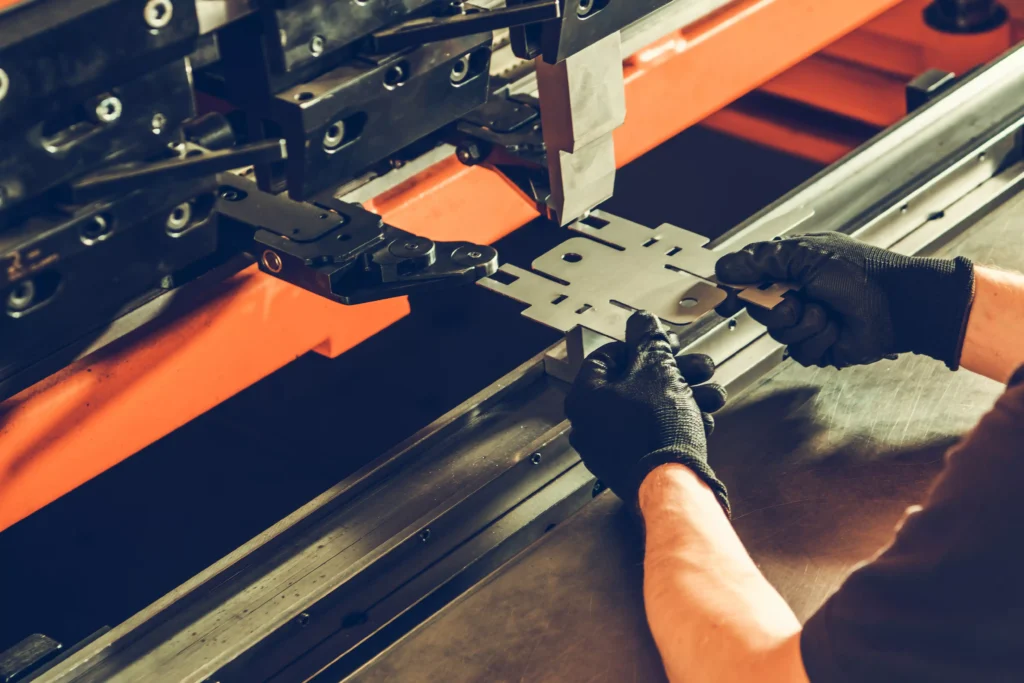
Here is something that is not discussed enough in fabrication. The fold can make or break a project. The problem rarely occurs at the design stage or installation. It becomes evident at the press brake, when flat metal becomes a shaped component that either fits perfectly or creates problems that drain energy, money and resources. A slightly wrong angle, an inconsistent bend across a batch, a surface finish ruined by the wrong tooling, these are not minor inconveniences. They are costly, time-consuming, and entirely avoidable with the right people and equipment on the job.
What Is Sheet Metal Folding?
Sheet metal folding services use a press brake to push flat metal into a defined angle or shape. Nothing is cut away. The metal is formed rather than reduced, thereby preserving its structural strength and surface finish. That is an important distinction when working with materials like brushed stainless steel or anodised aluminium, where the surface appearance matters as much as the shape itself.
Where is It Applied?
The process is used across construction, architectural cladding, signage, commercial kitchens, industrial manufacturing, and more. Each application has its own demands, and that is exactly why experience matters. Precision metal folding is not about running a machine; it’s about understanding how a specific material, at a specific thickness, will behave under pressure and setting everything up accordingly before a single sheet is touched.
Does the Material Really Matter That Much?
Yes, significantly. Aluminium and stainless steel are both popular choices, but they are not interchangeable, and treating them as such leads to poor results.
| Material | Where It Works Best |
|---|---|
| Aluminium metal folding | Facade panels, cladding, signage, and lightweight builds |
| Stainless steel metal folding | Commercial kitchens, architectural features, heavy-duty enclosures |
| Mild steel | Structural brackets, supports, and general fabrication |
Aluminium is lighter and more forgiving in certain respects, which makes it popular for large-format facade and cladding work across Melbourne and Victoria. Stainless steel is harder, more refined in appearance, and well-suited to tough environments like commercial kitchens, food production facilities, and architectural applications where longevity and hygiene both matter.
Choosing the wrong material for a job affects performance and appearance. It affects how the metal folds, finishes, and looks once installed. Therefore, making the right choices from the beginning is crucial for metal folding.
Why Good Metal Fabrication Services Matter
Custom metal fabrication takes raw metal and turns it into a purpose-built product. Cutting defines the shape. Folding gives it dimension. Welding and assembly bring everything together. Of these stages, folding is arguably where many things can go wrong if attention slips.
A fold that is slightly out throws off every component that connects to it. Panels do not sit flush. Brackets do not mount squarely. What looked fine in the workshop creates headaches on site. Good metal fabrication services build quality into the folding process rather than hoping to catch problems at the end.
For best results, find a service provider that handles folding and laser cutting in-house. That means clients are not coordinating between multiple suppliers or chasing up one party to match what another has already done. The component that leaves the facility is complete, accurate, and ready to go.
Bending vs Folding: What is the Difference
Metal bending typically refers to producing curves and rounded forms using rollers. Sheet metal folding with a press brake produces straight, angular bends. For most fabrication work, such as enclosures, panels, trims, and brackets, folding is the right technique because it delivers clean edges and consistent angles that are difficult to achieve with bending.
Australian Stainless & Aluminium: A One-stop Solution for Precision Metal Folding
Our team at Australian Stainless & Aluminium works with builders, fabricators, designers, and tradespeople on custom metal fabrication projects. We are known for providing premium materials, in-house precision metal folding, and laser cutting, all under one roof. Call us today to discuss your project requirements.
Frequently Asked Questions
What materials can be used in metal folding?
Aluminium, stainless steel, mild steel, and various alloys are all workable. The best choice depends on the application, the environment, and the finish required.
What is custom metal fabrication?
Custom metal fabrication involves shaping metal through processes such as cutting, bending, and assembling to create components tailored to precise project needs. It is widely used in industries such as construction, architecture, and manufacturing.
Why does metal folding matter in fabrication?
What is the difference between bending and folding?
What gets made through metal folding?
Facade panels, kitchen equipment, enclosures, architectural trims, brackets, and structural supports are all regularly produced through aluminium metal folding and stainless steel metal folding.