Why Custom Metal Fabrication Is the Backbone of Precision Engineering
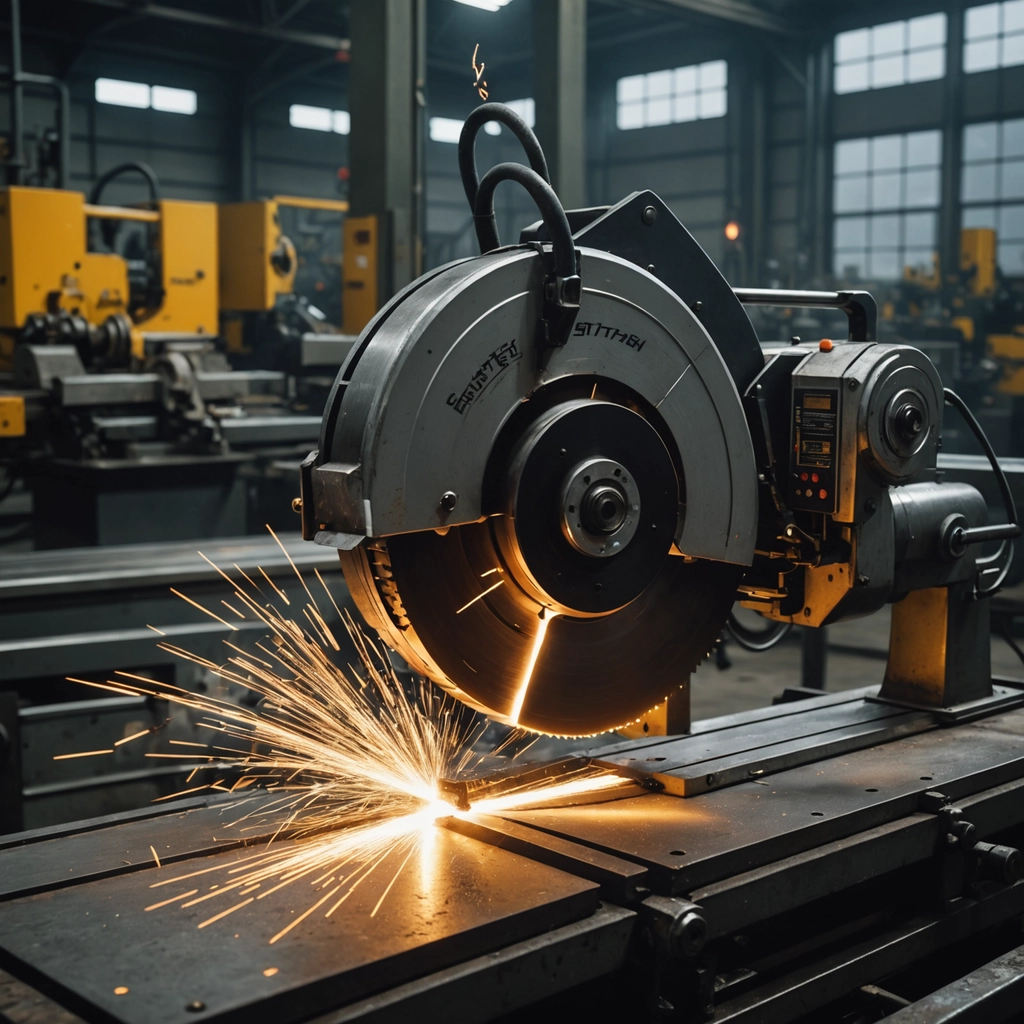
Anyone who has spent time on a workshop floor knows that a cut is never just a cut. The edge left behind by a blade or a beam can decide whether a part goes straight to welding or sits on a bench waiting to be ground back into shape. This is exactly why a precision edge finish on Custom-Cut stainless steel sheets matters so much.
Talk to most stainless steel suppliers that Melbourne businesses rely on, and edge quality often emerges as a key factor in determining whether a project runs smoothly or becomes a costly challenge. It may not be the first feature customers ask about, but precision edge finishing can significantly influence fabrication time, material handling, installation efficiency and overall project costs.
This blog explores why precision laser cutting has become the method of choice for fabricators, builders, engineers, and manufacturing teams who need a consistent, reliable method from project to project.
The Downside of Traditional Cutting Methods
Plasma cutting, mechanical shearing, and saw cutting have been workshop staples for a long time, and there is nothing wrong with acknowledging what they have done for the industry. That said, anyone who has worked with these methods regularly will recognise their limitations.
Some of the more common headaches include:
- Heavy dross and slag clinging to the cut edge.
- Burrs that need to be filed or ground away by hand.
- Microcracks appearing along stressed edges.
- Heat-induced distortion creeping into the material.
- Thin aluminium sheets warping under localised heat.
- Mirror finish or coloured stainless steel surfaces getting marked or damaged.
The Science Behind Precision Edge Finish
The approach is built around advanced industrial fibre laser cutting technology, chosen specifically for producing a clean, accurate, ready-to-fabricate result across both sheet and heavy plate. It is what a genuine steel laser cutting service should look like in practice, not just in a brochure.
The process itself is fairly elegant when you break it down. An industrial fibre laser concentrates an extremely precise beam of energy onto the metal surface. That energy melts through the material along a tightly controlled path, and because the heat stays so focused, the surrounding metal barely notices it happened. There is no wide zone of scorched or weakened material left behind.
Assist gases do a lot of the quiet, unglamorous work here. Nitrogen, in particular, blasts molten material out of the cut as it forms, preventing oxidation from taking hold and leaving a smooth, square, dross-free edge that is genuinely ready for the next stage of fabrication.
This same process underpins both aluminium laser cutting and stainless steel laser cutting on sheet materials, and it means fabricators are not left second-guessing whether a batch of components will meet tolerance. For a sheet or heavy plate, the standard of edge quality does not waver.
Comparing Precision Laser Cutting and Traditional Shearing
Numbers tend to explain this better than opinions do, so here is how the two methods stack up side by side.
| Category | Precision Laser Cutting | Traditional Shearing |
|---|---|---|
| Edge Quality | Smooth, square, dross free | Rough, uneven edges |
| Heat Affected Zone | Minimal | None |
| Dimensional Accuracy | High tolerance precision | Variable tolerance |
| Post Processing Required | Little to none | Grinding and deburring often needed |
| Suitability for Mirror Finishes | Excellent | Poor, prone to damage |
| Turnaround Time | Faster overall | Depends on the job |
It is easy to see why fabricators across Melbourne, Braeside, and Keysborough are steadily shifting away from older shearing methods in favour of laser cutting, particularly on jobs where finish and tolerance genuinely matter.
Materials And Thickness Range
A genuine steel laser-cutting service works across a broad thickness range, so custom-cut stainless steel sheets and aluminium laser-cutting orders are handled with the same precision and edge finish, whether the job calls for light-gauge sheet or heavy structural plate.
| Material | Thickness Range |
|---|---|
| Stainless Steel | 0.5mm to 25mm |
| Aluminium | 0.5mm to 20mm |
| Mild Steel | Up to 25mm |
- Consistent tolerance regardless of material thickness
- Suitable for both wholesale and custom orders
How Clean Edges Drive Down Project Costs
There is a fairly direct line between a precision edge finish and the final invoice on a fabrication project. When components turn up clean and accurate, workshops are not paying labour to fix problems that should never have existed in the first place.
Ready To Weld Components
A properly finished edge means fabricators can skip:
- Deburring.
- Edge grinding.
- Additional weld preparation.
That translates into parts moving straight into assembly rather than sitting in a queue for finishing work.
Protecting Premium Material Finishes
Some materials simply cannot afford to be handled roughly, and laser cutting is well-suited to protecting them, including:
- Mirror finish stainless steel.
- Brushed stainless steel.
- Coloured stainless steel products.
- Protective film-coated materials.
Fewer labour hours & less rework add up to genuinely reduced fabrication costs, and that benefit compounds across every project a workshop takes on.
Partner With a Trusted Precision Laser Cutting Provider
Good fabrication starts long before the welding torch comes out. It starts with the quality of the cut, and that is where precision laser cutting continues to prove its worth for fabricators, builders, engineers, and manufacturers throughout Melbourne. Fibre laser cutting delivers a dross free edge, dependable dimensional accuracy, and a noticeable drop in the labour needed before assembly even begins.
Businesses across Melbourne, Braeside, and Keysborough, including local sheet metal shops, trust Stainless & Aluminium for precision work. They are welcome to send through their DXF, CAD, or fabrication drawings for a precision cut quotation. With advanced fibre laser technology behind every order, we deliver components that are ready to use and built to keep the whole project on schedule.
Frequently Asked Questions
Why is edge quality important in stainless steel laser cutting?
The edge is where every downstream problem either begins or gets avoided. A clean, precise edge means less preparation before welding or assembly, better fitment between parts, and a stronger finished structure overall.
Does laser cutting require additional grinding before welding?
Generally, no. A precision laser-cut edge is usually smooth and dross-free straight away, so most components can go directly to welding without extra grinding or deburring.
What is the advantage of fibre laser cutting over plasma cutting?
Fibre laser cutting keeps the heat affected zone much narrower, maintains tighter dimensional accuracy, and leaves a noticeably cleaner edge than plasma cutting, which tends to leave heavier dross behind.
Can laser cutting protect the mirror finish and coloured stainless steel sheets?
Yes. Because the process involves minimal heat exposure and very precise control, it suits premium finishes such as mirror polished, brushed, and coloured stainless steel surfaces particularly well.
Is aluminium laser cutting suitable for precision fabrication projects?
Yes. It holds up well, too. Aluminium laser cutting produces accurate, consistent results while keeping the risk of warping low, making it a solid choice for precision fabrication.
How accurate is modern industrial laser cutting?
Modern fibre laser systems are capable of genuinely high-tolerance precision, which means components arrive matching their specifications and fitment issues during assembly become far less likely. Contact us for a fabrication tailored to your specifications, including cutting, shaping, and finishing for a wide range of applications.